
De preutsheid van het Victoriaanse tijdperk in Engelssprekende landen onder vooral de gegoede burgerij is bijna spreekwoordelijk. Tafelpoten zouden zijn bedekt, omdat het toch een soort ‘benen’ waren, bij het zien van een ontblote enkel zouden mannen bijkans in katzwijm van lust gevallen zijn, woorden als ‘ondergoed’ en ‘stier’ waren uit den boze.
Maar naarmate ik meer onderzoek deed voor mijn boeken, begonnen mij dingen op te vallen die dit weerspraken. Misschien dat er naar de buitenwereld toe vooral gehecht werd aan decorum en etiquette, maar binnenshuis, in privésferen kreeg ik niet het idee dat het allemaal zo bekrompen en verkrampt was als ik altijd gedacht had.
Ik stuitte op bewijzen van paartjes (in de lagere lagen van de maatschappij) die probleemloos, zelfs met kinderen, langere tijd samenwoonden voor het tot trouwen kwam. Ik zag pornografische foto’s en schrijfsels, die vrij circuleerden. Ik las niets-verhullende advertenties voor voorbehoedsmiddelen en abortus. En dan was er nog de behandeling van vrouwelijke hysterie, die me ook de wenkbrauwen deed fronsen.
Tijd dus voor wat onderzoek.
Een mythe van na WW1
Wat blijkt? De meeste onderzoekers zijn het ermee eens dat de Victoriaans preutsheid een mythe is die voornamelijk na de WWI in de wereld gebracht is. Het hoe en waarom is een lang en technisch, en vooral saai verhaal, dus dat laat ik even buiten beschouwing. Maar de ‘bewijslast’ levert wat problemen op. Wat de één aanhaalt als hét bewijs dat het met die preutsheid allemaal wel meeviel, wordt door de ander volledig als ‘aannames’ afgebrand.
Zucht…
Het begon in mijn stamboom. In de negentiende eeuw zag ik dat één van mijn voorouders pas trouwde nadat er al twee kinderen waren. Al die tijd hadden ze als man en vrouw gewerkt en geleefd. Wat precies de oorzaak was dat het huwelijk vijf jaar lang uitgesteld is, heb ik niet kunnen achterhalen, maar blijkbaar was het geen onoverkomelijk probleem. De eerstgeborene werd bij het huwelijk van zijn ouders geëcht, het tweede kind pas bij haar eigen huwelijk.
Ik stuitte daarbij op een samenvatting van het werk Living in Sin: Cohabiting as Husband and Wife in Nineteenth-Century England van Ginger Frost. Het boek komt met bewijs (uit kranten van toen, politie- en rechtbankverslagen e.d.) dat de 19e eeuw een periode was van ‘energetische huwelijkse non-conformiteit onder stelletjes van alle sociale klassen’. Stelletjes en gemeenschappen verzetten zich vaak tegen de wettige definities van huwelijk en scheiding die hun opgelegd waren met de Huwelijkswet van 1753 en de Scheidingswet van 1857.
Natuurlijk, dit gaat over Engeland, maar het valt aan te nemen dat dit voor andere landen ook wel eens gegolden kan hebben. En in Engeland leek over het algemeen tussen 1760 en 1840 samenwonen meer wijdverspreid geweest te zijn. Alleen tussen 1840 en 1880 zou het een tijd strenger geweest te zijn.
Wat deed volgens Frost mensen besluiten samen te wonen in plaats van ‘keurig’ te trouwen? Ze onderscheidt drie groepen: zij die niet konden trouwen vanwege eerdere huwelijken of te nauwe verwantschap, zij die geen interesse in het huwelijk hadden en zich niets aantrokken van sociale druk, en zij die wat tegen het instituut zelf hadden.
Maar in het geval van mijn voorouders was er zeker geen sprake van verwantschap of bigamie en blijkbaar trokken ze zich wel iets van sociale conventies aan, want later trouwden ze alsnog. Was het probleem geld? Ontbrekende documenten? Ik bezit te weinig kennis en te weinig tijd voor gedegen onderzoek om hier een antwoord op te geven. Wie het weet, mag het zeggen. Maar feit blijft dat het voorkwam en blijkbaar niet tot volledige sociale uitsluiting leidde.
Victoriaanse porno
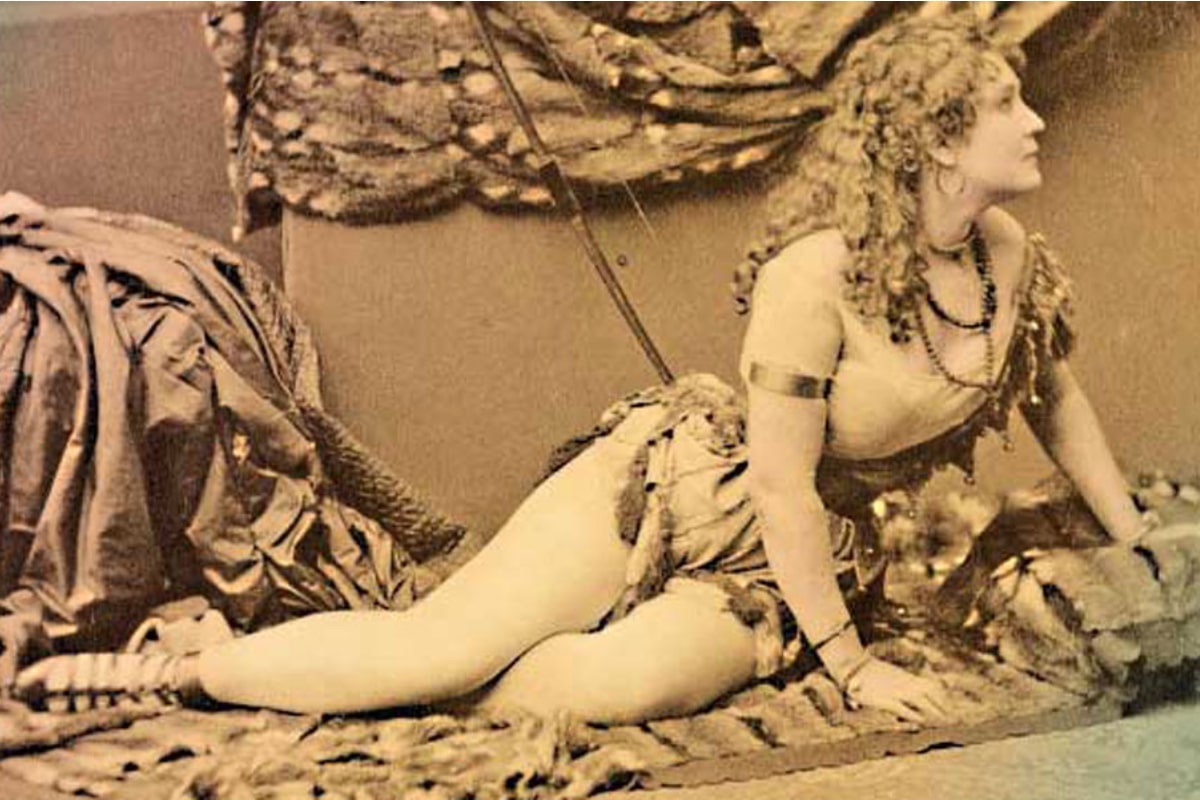
Na deze voor mij verrassende vondst over mijn voorouders, kwam ik tot de ontdekking dat foto’s en boeken van seksuele aard lang zo tam niet waren als ik lange tijd had aangenomen. Zo stuitte ik bij onderzoek voor mijn romans die zich afspelen tijdens de Civil War op het boekje The Lustful Turk en hoewel er wordt gedaan alsof de foto’s van de beroemde Adah Isaacs Menken, die op haar meeste foto’s in een soort bedekkend ondergoed staat, het hoogste niveau van oh-la-la waren, is dat verre van waar. Wie expliciete foto’s uit die tijd wil zien, kan online het artikel van Rebecca Kamm opzoeken, The Unbridled Joy of Victorian Porn (of anders even langs het Sexmuseum in Amsterdam gaan).
Volgens dat artikel was het vrouwelijk orgasme ontzettend belangrijk in het Victoriaanse tijdperk. Ze geloofden immers dat je zonder orgasme niet zwanger kon worden. Bovendien geloofden ze dat luie, liefdeloze seks zou leiden tot zwakke, ziekelijke kinderen.
Tegelijkertijd verklaren sommige medische boeken uit die tijd dat orgasmes slecht zijn, omdat ze moe maken en vrouwen die te veel masturbeerden werden gevangengezet. Dat is dus een tweeledige moraal die het moeilijk maakt de ware, achter-de-deuren seksualiteit te vangen.
Vrouwelijke hysterie
Over orgasmes gesproken: was het nu wel of niet waar dat artsen in die tijd vrouwen met de hand of een vibrator bevredigden om ‘vrouwelijke hysterie’ te behandelen? Volgens het artikel Victorian-Era Orgasms and the Crisis of Peer Review van Robinson Meyer en Ashley Fetters is het een mythe, omdat er geen enkel bewijs voor zou zijn.
Maar hoe komen we dan bij dit verhaal? Het stamt uit het werk van Rachel Maines (The Technology of Orgasm uit 1999), waarin ze dit glashard beweert zonder met bronnen te komen, die dus niet te vinden lijken te zijn. Zijzelf beweerde later dat het alleen een hypothese was, waar mensen mee aan de haal zijn gegaan.
Ook voor dames waren er pornografische werkjes beschikbaar, met titels als Advice for the Maiden Wife and Mother of The Godly Marriage, vol met tips en tricks of zelfs duidelijke illustraties.
Maar terug naar waar het werkelijk om ging: de vermeende Victoriaanse preutsheid.
In liefdesbrieven zien we ook weinig restricties in de omgang tussen man en vrouw. Ik ben er in de afgelopen jaren meerdere tegengekomen, maar nu ik ze weer online zocht om hier wat voorbeelden te geven, kon ik ze niet meer vinden. Dat gebeurt wel vaker: je zoekt naar A, maar stuit dan op B en als je later alsnog B nodig hebt, is het met die zoektermen niet meer te vinden.
Hoe dan ook was het vrijer dan we zouden denken. Zelfs koningin Victoria, het toonbeeld van preutsheid in onze ogen, sprak met vrienden en verwanten tot in detail over haar liefdesleven. Aan haar vriend minister Lord Melbourne (een man dus!) schrijft ze: “It was a gratifying and bewildering experience. I never, never spent such an evening. His excessive love and affection gave me feelings of heavenly love and happiness. He clasped me in his arms en we kissed each other again and again.”
Anticonceptie
En dan zijn er dus de talloze advertenties voor allerlei middeltjes om zwangerschap te voorkomen of te onderbreken, schijnbaar niet de enorme taboes die we dachten. Natuurlijk, bij de wet was het verboden, maar dat wilde niet zeggen dat het er niet was. En in kranten werd het openlijk aangeprezen. Je moet als 21e-eeuwer alleen weten naar welke woorden je moet zoeken.
Naast seksspeeltjes bestond er ook een grote variëteit aan materialen om zwangerschap te voorkomen, van sponsen tot douches en condooms.
Zo’n spons werd dan een ‘sanitary sponge’ genoemd, een pessarium kon je verkrijgen onder de naam ‘Dumas cap’. Pillen om een abortus op te wekken werden ‘moederhelper’ of ‘Portugese vrouwenpil’ of ‘renovating pills from Germany’ genoemd en werden aangeprezen als medicijn voor hen die ‘labored under the suppression of their natural illness’.
In bovenstaande zien we twee valkuilen die veelvuldig terugkeren wanneer we naar geschiedenis kijken. De eerste is in het klakkeloos overnemen van een enkele bron, waardoor broodjes aap ontstaan, de andere is dat we naar het verleden kijken door een moderne bril met hedendaagse interpretaties of gewoon niet weten waar we naar zoeken moeten, omdat de taal veranderd is. Bovendien is dat wat in de wet verankerd was en wat het voorgeschreven gedrag naar de buitenwacht toe voor de hogere klasse was, niet altijd wat er door de gewone man achter de deur gepraktiseerd werd of hoe men dacht.
Met andere woorden, de 19e eeuw was niet zo preuts als we lange tijd gedacht hebben. Dat idee is in het begin van de 20e eeuw in zwang gekomen en lijkt bijna onuitroeibaar.
Prudish paradoxes
The prudishness of the Victorian era in English-speaking countries, especially among the well-to-do bourgeoisie, is almost proverbial. Table legs would have been covered, because they were a kind of ‘legs’, at the sight of a bared ankle men would almost have swooned with lust, words like ‘underwear’ and ‘bull’ were out of the question.
But as I did more research for my books, I started to notice things that contradicted this. Perhaps to the outside world there was a lot of attachment to decorum and etiquette, but indoors, in private spheres, I didn’t get the idea that it was all as narrow-minded and cramped as I had always thought.
I came across evidence of couples (in the lower strata of society) who lived together for a long time, even with children, before getting married, without getting into trouble. I saw pornographic photos and writings, which circulated freely. I read undisguised advertisements for contraceptives and abortion. And then there was the treatment of female hysteria, which also raised my eyebrows.
So it’s time for some research.
A myth of after WW2
Know what? Most researchers agree that Victorian prudishness is a myth that was mainly brought into the world after WWI. The how and why is a long and technical, and above all boring story, so I’ll leave that aside for now. But the ‘burden of proof’ poses some problems. What one person cites as the proof that the prudishness was not so bad, is completely burned down by the other as ‘assumptions’.
Sigh…
It started in my family tree. In the nineteenth century, I saw that one of my ancestors only married after they already had two children. All this time they had worked and lived as husband and wife. I have not been able to find out exactly what caused the marriage to be postponed for five years, but apparently it was not an insurmountable problem. The firstborn was legitimized at the marriage of his parents, the second child only at her own marriage.
I came across a summary of Ginger Frost’s work Living in Sin: Cohabiting as Husband and Wife in Nineteenth-Century England. The book presents evidence (from newspapers of the time, police and court reports, etc.) that the 19th century was a period of “energetic marital nonconformity among couples of all social classes.” Couples and communities often resisted the legal definitions of marriage and divorce imposed on them by the Marriage Act of 1753 and the Divorce Act of 1857.
Of course, this is about England, but it is reasonable to assume that this may have been true for other countries as well. And in England, in general between 1760 and 1840, cohabitation seemed to have been more widespread. Only between 1840 and 1880 does it appear to have been stricter for a while.
According to Frost, what made people decide to live together instead of getting married ‘properly’? She distinguishes three groups: those who could not marry because of previous marriages or too close relationships, those who had no interest in marriage and did not care about social pressure, and those who had something against the institution itself.
But in the case of my ancestors there was certainly no kinship or bigamy at play and apparently they did care about social conventions, because later they did marry. Was the problem money? Missing documents? I have too little knowledge and too little time for thorough research to answer this. Who knows the answer, is more than welcome to share. But the fact remains that it occurred and apparently did not lead to complete social exclusion.
Victorian porn
After this to me surprising discovery about my ancestors, I discovered that photographs and books of a sexual nature were not nearly as tame as I had long assumed. For example, when researching for my novels set during the Civil War, I came across the book The Lustful Turk and although it is pretended that the photos of the famous Adah Isaacs Menken, who is portrayed in some kind of covering underwear in most of her photos, were the highest level of oh-la-la, that is far from the truth. If you want to see explicit photos from that time, you can look up Rebecca Kamm’s article online, The Unbridled Joy of Victorian Porn (or else stop by the Sex Museum in Amsterdam).
According to that article, the female orgasm was extremely important in the Victorian era. After all, they believed that you couldn’t get pregnant without an orgasm. In addition, they believed that lazy, loveless sex would lead to weak, sickly children.
At the same time, some medical books of the time declare that orgasms are bad, because they make you tired, and women who masturbated too much were imprisoned. So that’s a two-pronged morality that makes it difficult to capture the true, behind-the-door sexuality.
Female hysteria
Speaking of orgasms, was it true or not that doctors at the time were satisfying women by hand or a vibrator to treat ‘female hysteria’? According to the article Victorian-Era Orgasms and the Crisis of Peer Review by Robinson Meyer and Ashley Fetters, it is a myth, because there is no evidence for it.
But how do we get to this story if it’s not true? It stems from the work of Rachel Maines (The Technology of Orgasm from 1999), in which she shamelessly claims this without coming up with sources, which seem impossible to find. She herself later claimed that it was only a hypothesis, which people ran off with.
Pornographic works were also available for ladies, with titles such as Advice for the Maiden Wife and Mother or The Godly Marriage, full of tips and tricks or even clear illustrations.
But back to what it was really about: the alleged Victorian prudery.
In love letters, we also see few restrictions in the relationship between husband and wife. I’ve come across several of them in the past few years, but now that I searched them online again to give some examples here, I couldn’t find them anymore. This happens quite often: you search for A, but then stumble upon B and if you still need B later, it is no longer possible to find it with those search terms.
Either way, it was freer than we would think. Even Queen Victoria, the epitome of prudishness in our eyes, spoke to friends and relatives in detail about her love life. To her friend Minister Lord Melbourne (a man!) she writes: “It was a gratifying and bewildering experience. I never, never spent such an evening. His excessive love and affection gave me feelings of heavenly love and happiness. He clasped me in his arms and we kissed each other again and again.”
Contraception
And then there are the countless advertisements for all kinds of remedies to prevent or interrupt pregnancy, apparently not the huge taboos we thought. Of course, it was forbidden by law, but that didn’t mean it wasn’t there. And it was openly touted in newspapers. As a 21st-century person, you just need to know what words to look for.
In addition to sex toys, there was also a wide variety of materials to prevent pregnancy, from sponges to showers and condoms.
Such a sponge was then called a ‘sanitary sponge’, a pessary could be obtained under the name ‘Dumas cap’. Pills to induce an abortion were called ‘mother’s helper’ or ‘Portuguese women’s pill’ or ‘renovating pills from Germany’ and were touted as medicine for those who ‘laboured under the suppression of their natural illness.’
In the above, we see two pitfalls that frequently recur when we look at history. The first is in blindly copying a single source, creating urban legends, the other is that we look at the past through a modern lens with contemporary interpretations or simply don’t know what to look for, because the language has changed. Moreover, what was enshrined in the law and what was the prescribed behavior to the outside world for the upper class is not always what was practiced by the common man behind the door or how people thought.
In other words, the 19th century was not as prudish as we have long thought. That idea came into vogue in the early 20th century and seems almost ineradicable.


Comments (0)