
2020 was een bizar jaar. Voor iedereen, denk ik. Er is voor mij persoonlijk zelden zo weinig en tegelijkertijd zoveel gebeurd. En wat er niet gebeurde, waren de leuke dingen, en wat er wel gebeurde, waren de trieste of zware dingen. Maar ook dat zal voor veel mensen gelden.
Als men me vraagt “Wat deed jij tijdens corona?” dan kan ik zeggen: niet veel. Veel thuiszitten. We moesten thuiswerken, maar mijn werk staat dat niet toe. En dus gaf mijn werkgever mij en mijn directe collega de kans om beurten te werken, zodat we niet tegelijkertijd op onze kamer zouden zijn. Dat betekende enerzijds dat we het werk dat nu door twee mensen gedaan werd, steeds in ons eentje moesten doen, maar tegelijkertijd betekende het ook dat ik de helft van de tijd thuis zat.
Het was een soort vakantie, maar toch ook weer niet, want je kon niet echt iets met je vakantie doen, nietwaar? Dus wat doe je dan? Zoals zovelen ben ik begonnen met de klusjes in huis die al zo lang lagen, zoals het opnieuw indelen en uitmesten van de kasten. Maar op een gegeven moment is dat ook gedaan, dus wat dan?
Een mishandeld en gehandicapt manuscript
Nu was er iets wat ik al heel lang wilde, maar dat was zo’n sisyfusarbeid en ook zo complex, dat ik daar heel veel tijd voor nodig had en ook tamelijk snel achter elkaar af zou moeten werken, zonder grote perioden ertussen. Dus dit was mijn kans. Als 2020 dan toch verloren zou gaan, dan zou ik er nog iets zinvols mee doen.
Want wat was het geval? Mijn serieuze stappen op het gebied van het schrijven van romans begon ergens in 1986, denk ik. Ik was bijna of net klaar met mijn studie, ik had D&D ontdekt, wat mijn fantasie prikkelde, en ik begon de verhalen die ik als Dungeon Master bedacht voor de spelletjesavonden, uit te werken tot heuse romans.
Dat werk heette Salham, naar het fictieve land waarin het zich afspeelde. En het werd een steeds lijviger werk, met heel veel intriges die in elkaar grepen, met talloze subplots en met een toch wel wat bizarre mengeling van ’tijden’. Zo leken de culturen van de kustgouwen wel wat op de 17e en 18e eeuw, terwijl de samenleving van de ‘binnengouwen’ meer Middeleeuws van karakter was.
Op een gegeven moment werd het werk te lijvig en sommige subplots werden steeds belangrijker. En dat was het moment dat ik besloot om die uit het verhaal te trekken en zelfstandig tot eigen romans te maken. Dat was ook het moment waarop ik besloot ze te veranderen van fantasy in historische romans.
Allereerst haalde ik de piratenverhalen eruit. Die werden uiteindelijk de Port Royal Serie over Rochette. Daarna haalde ik de verhalen over Steinburg eruit, waarvan nu net het eerste deel van de trilogie is uitgegeven. Ook de subplot over het land Ghaxurzh kwam op zichzelf te staan en het deel dat zwaar door de Vikingen geïnspireerd was. Deze twee romans hoop ik ook ooit nog uit te geven.
Wat overbleef, was een ruïne: een nog steeds zeer lijvig verhaal met nog steeds een boeiend hoofdplot met een spannende intrige, maar zo mishandeld en gehandicapt, dat het deerlijk beschadigd was. En zo vatte ik het plan op het te herschrijven en te herstellen.
Ontdaan van ballast
Ik wist dat het moeilijk zou worden. Als je er zoveel subplots uithaalt, die wel voortdurend grijpen in de hoofdplot en welks intriges en personages verweven zijn met die van de rode draad in het verhaal, dan loopt het verhaal mank. Oorzaken voor bepaalde gebeurtenissen waren ineens verdwenen, of juist de gevolgen. Personages waren verdwenen, hele oorlogen waren in rook opgegaan.
Het zou een enorme klus worden om die gaten te herstellen en ik wist dat ik dit in een relatief kort tijdsbestek moest doen. Als ik te veel tijd zou laten tussen de perioden van herschrijven, zou ik vergeten zijn wat ik aangepast had en de draad kwijt zijn.
Van het begin van de lockdown tot het eind van de zomer heb ik er keihard aan gewerkt en nu is het klaar. Mijn ‘eerste baby’, het eerst ‘schrijf-ei’ dat ik gelegd heb, is ontdaan van alle ballast en hersteld tot een goedlopend fantasy verhaal. Het is niet het beste wat ik ooit geschreven heb, want het waren mijn eerste vingeroefeningen, maar het heeft een warm plekje in mijn hart.
Ik zal het niet uitgeven. Daarvoor zou ik er nog meer aan moeten sleutelen en dat wil ik eigenlijk niet. Ik wil het puur laten, zoals het eens geschreven en bedoeld is, ook als dit betekent dat er af en toe wat aan mankeert. Ik zal de vier dikke romans te zijner tijd keurig laten drukken voor mezelf, zodat ze bij hun broertjes en zusjes in de kast kunnen staan en vrienden en familie mogen ze best lezen, maar uitgeven zal ik ze niet. Ze hoeven niet zo nodig in de bibliotheek te komen.
Heraldiek
Het maken van de vier kaften was ook erg leuk. Ik ben altijd geïnteresseerd geweest in heraldiek en voor elke gouw, elk land en elke factie had ik een wapenschild ontworpen. Eens was het bij grove schetsen en beschrijvingen gebleven, maar inmiddels zijn er goede, gratis online programma’s om zulke schilden ook daadwerkelijk vorm te geven. En zo ontwierp ik 52 wapenschilden en maakte er vier kaften van, met een groot schild in het midden voor de vier belangrijkste gouwen in het verhaal, met twaalf kleinere eromheen.
Ik had immers ineens tijd over om hier uren aan weg te gooien…
Een nieuwe trilogie
Ik stipte hierboven al even aan dat de eerste roman van een nieuwe trilogie, De Steinburg Mysteriën, vandaag in de (online) winkel ligt. Ook dit verhaal stamt oorspronkelijk uit Salham. Maar in de afgelopen jaren heb ik eraan geschaafd en het van alle fantasy elementen ontdaan, zodat het een historisch correcte roman was die zich afspeelt in de tweede helft van de 13e eeuw.
In een eerdere blog heb ik het al aangekondigd, grofweg vermeld waar het over ging en aangegeven waarom juist deze periode in de Middeleeuwen zo interessant is. Dat zal ik dus niet herhalen. Het heeft wat langer op zich laten wachten dan ik had gehoopt, maar hier is hij dan eindelijk. De laatste puntjes op de i heb ik er in de ‘corona-maanden’ op gezet.
De foto voor de kaft is geschoten door Kees Nieuwenhuijsen. Op een zonnige dag vorig jaar in Archeon hebben we samen tientallen foto’s genomen van voorwerpen in verschillende composities uit de 13e eeuw. Ik had hem gevraagd me te helpen, omdat hij de juiste replica’s bezit en ik niet. Voor de eerste kaft van de trilogie is gekozen voor een pothelm op een maliënkolder. De speerkop is helaas in de uiteindelijke lay-out buiten de marges gevallen, maar hoewel ik dat jammer vind, denk ik wel dat de uitgever de goede beslissing genomen heeft door meer in te zoomen.
De afbeelding die de uitgever voor de achterkant van het boek heeft gekozen, vind ik prachtig, al zou die de lezer wellicht wat op het verkeerde been kunnen zetten. Er wordt in dit boek veel minder strijd geleverd dan jullie van me gewend zijn, aangezien de focus ligt op de oplossing van een moordmysterie. Maar dit is een trilogie en uiteindelijk zullen ook de ridders van Steinburg hun wapens uit het vet moeten halen. Oude liefde roest niet, immers.
Dus ik sluit dit trieste jaar af met de blijdschap over de aanvang van een nieuwe reeks, een nieuwe periode in de geschiedenis, een nieuwe hoofdpersoon en een nieuw plot. Ik hoop van jullie te horen hoe de nieuw ingeslagen weg bevalt!
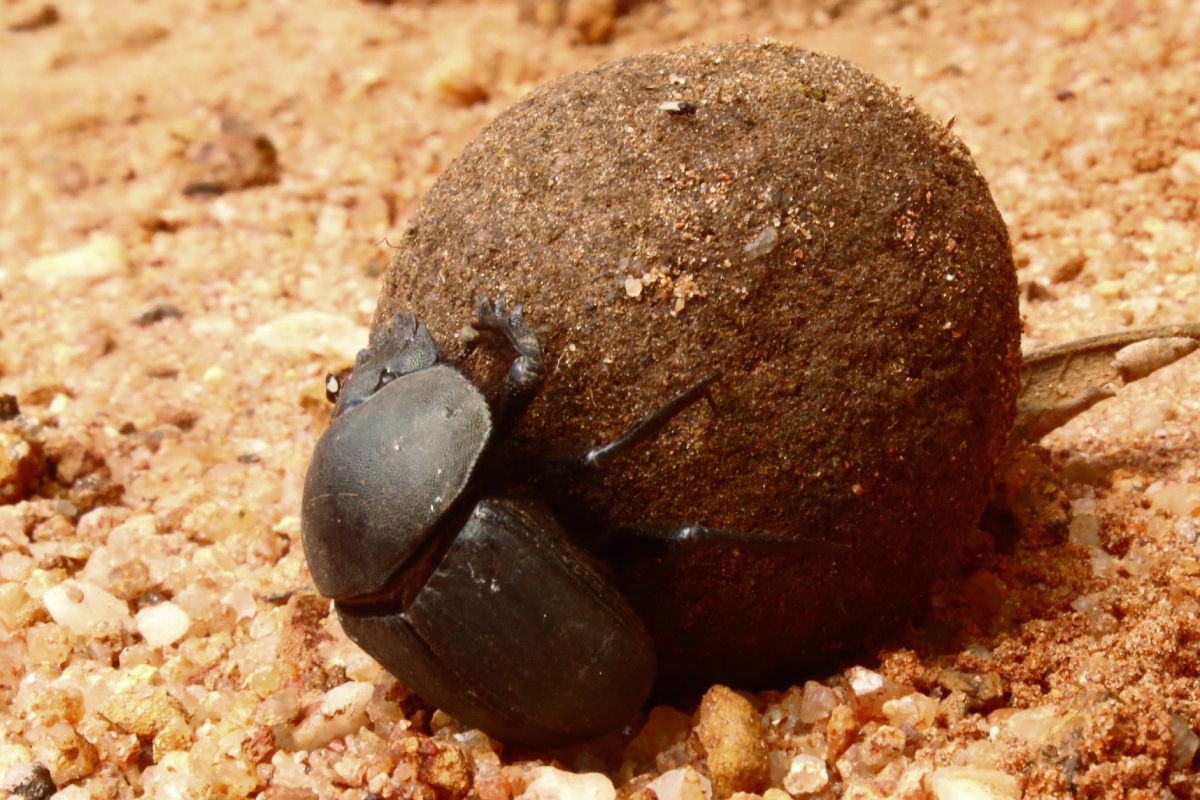
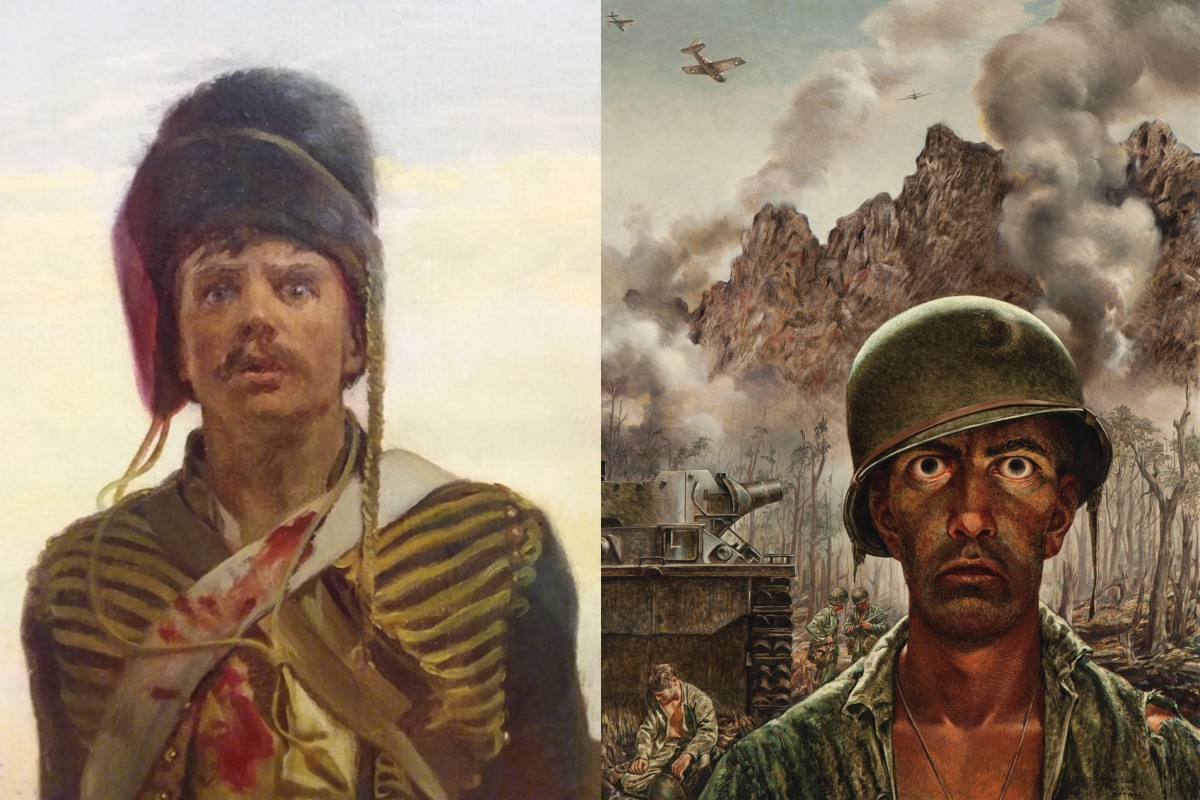
Maar ondanks alles was 2020 een kakjaar. Vandaar de afbeelding boven deze bitterzoete blog.
A Sisyphean Labour
2020 was a bizarre year. For everyone, I guess. For me personally, so little and so much has happened at the same time. And what didn’t happen were the fun things, and what did happen were the sad or difficult things. But that must be the case for many people.
When people ask me, “What did you do during corona?” I can say: not much. Sitting at home a lot. We had to work from home, but my work doesn’t allow that. And so my employer gave me and my direct colleague the opportunity to take turns working so that we wouldn’t be at the office at the same time. On the one hand, this meant that we now had to do the work that was normally done by two people on our own, but at the same time it also meant that I was at home half the time.
It was a kind of holiday, but then again it wasn’t, because you couldn’t really do anything with your time off, could you? So what do you do then? Like so many others, I started with the chores around the house that had been lying around for so long, such as rearranging and mucking out the cupboards. But at some point, that’s done, so then what?
A maltreated and disabled manuscript
Now there was something I had wanted for a long time, but it was such a Sisyphean task and also so complex that I needed a lot of time for it and would also have to finish it fairly quickly in succession, without large periods in between. So this was my chance. If 2020 were to be lost, I would still do something meaningful with it.
Because what was the case? My serious steps in the field of novel writing began sometime in 1986, I think. I was nearing or just finishing university, I had discovered D&D, which sparked my imagination, and I started to turn the stories I came up with as a Dungeon Master for the game nights into real novels.
That work was called Salham, after the fictional country in which it was set. And it became an increasingly voluminous work, with a lot of intrigues that interlocked, with countless subplots and with a somewhat bizarre mixture of ‘periods’. For example, the cultures of the coastal shires resembled the 17th and 18th centuries, while the society of the ‘inner shires’ was more medieval in character.
At a certain point, the work became too bulky and some subplots became increasingly important. And that was the moment I decided to pull them out of the story and make them into my stand-alone novels. That was also the moment when I decided to change them from fantasy to historical novels.
First of all, I took out the pirate stories. These eventually became the Port Royal Series about Rochette. Then I took out the stories about Steinburg, of which the first part of the trilogy has just been published. The subplot about the land of Ghaxurzh also came on its own and the part that was heavily inspired by the Vikings. I hope to publish these two novels one day.
What remained was a ruin: a still very voluminous story with still a fascinating main plot with an exciting intrigue, but so mistreated and disabled that it was badly damaged. And so I conceived the plan to rewrite and restore it.
Stripped of all deadweight
I knew it was going to be hard. If you take out so many subplots, which are constantly intertwined with the main plot and whose intrigues and characters are intertwined with those of the main thread in the story, then the story is limping. Causes for certain events suddenly disappeared, or the consequences. Characters had disappeared, entire wars had gone up in smoke.
It was going to be a huge job to fix those holes and I knew I had to do this in a relatively short time frame. If I left too much time between rewriting periods, I would have forgotten what I had changed and lost the thread.
From the beginning of the lockdown to the end of the summer I worked very hard on it and now it’s done. My ‘first baby’, the first ‘writing egg’ I laid, has been stripped of all deadweight and restored to a successful fantasy story. It’s not the best thing I’ve ever written, because it was my first finger exercises, but it has a warm place in my heart.
I won’t publish it. For that, I would have to tinker with it even more, and I don’t really want that. I want to leave it pure, as it was once written and intended, even if this means that there is something wrong with it from time to time. I will have the four thick novels neatly printed for myself in due course, so that they can be on the shelves with their brothers and sisters, and friends and family may read them, but I will not publish them. They don’t necessarily have to go to the library.
Heraldry
Making the four covers was also a lot of fun. I’ve always been interested in heraldry and I’d designed a coat of arms for every shire, every country and every faction. Once upon a time, it was limited to rough sketches and descriptions, but now there are good, free online programs to actually design such shields. And so I designed 52 coats of arms and made four covers out of them, with a large shield in the middle for the four main shires in the story, with twelve smaller ones around it.
After all, I suddenly had time to waste hours on this…
A new trilogy
I already mentioned above that the first novel of a new trilogy, The Steinburg Mysteries, is in the (online) store today. This story, too, originates from Salham. But over the past few years, I’ve been polishing it and stripping it of all fantasy elements, so that it was a historically accurate novel set in the second half of the 13th century.
In a previous blog I already announced it, roughly mentioned what it was about and indicated why this period in the Middle Ages is so interesting. So I will not repeat that. Getting it published took a bit longer than I had hoped, but here it is at last. I dotted the i’s and crossed the t’s in the ‘corona months’.
The photo for the cover was taken by Kees Nieuwenhuijsen. On a sunny day last year in Archeon, we took dozens of photos of objects in various compositions from the 13th century. I had asked him to help me, because he owns the right replicas and I don’t. For the first cover of the trilogy, a pot helmet on a coat of mail was chosen. Unfortunately, the spearhead has fallen outside the margins in the final layout, but although I think that’s a shame, I do think the publisher made the right decision by zooming in more.
I love the image that the publisher has chosen for the back of the book, although it might mislead the reader a bit. There is much less fighting in this book than you are used to from me, as the focus is on solving a murder mystery. But this is a trilogy, and in the end, the Knights of Steinburg will also have to get their weapons out of the grease. After all, old love doesn’t rust.
So I end this sad year with the joy of the start of a new series, a new period in history, a new protagonist and a new plot. I hope to hear from you how you like the new path I’ve taken!
But despite everything, 2020 was a shitty year. Hence the image above this bittersweet blog.
Comments (0)